A Guide to Tokyo's Golden Gai After Dark: Navigating Shinjuku's Tiny Themed Bars and Late-Night Drinking Alleys
What Is Golden Gai?
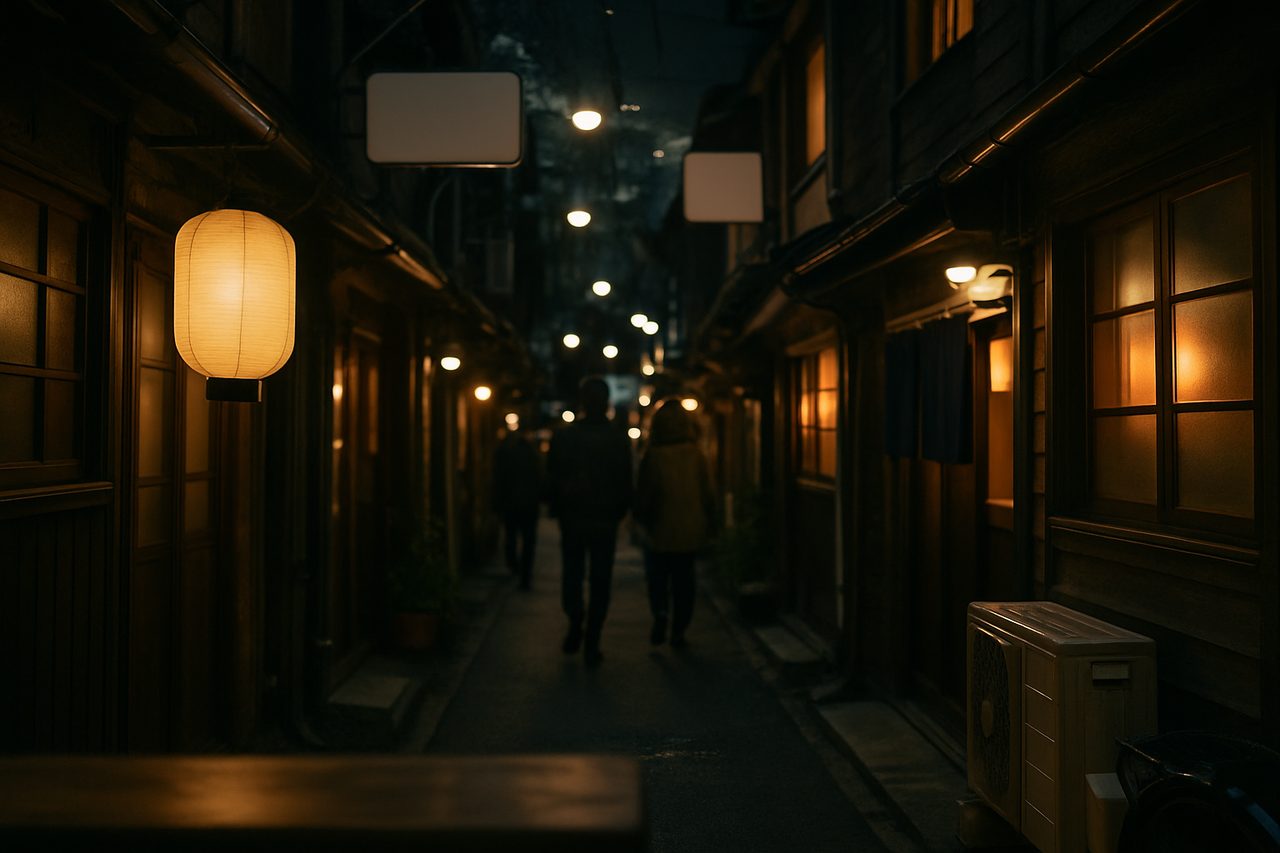
Tucked into a corner of Shinjuku, Golden Gai (ゴールデン街) is a cluster of around six narrow alleys packed with more than 200 tiny bars. Many of these establishments are barely larger than a closet, seating only four to ten guests at a time. The buildings date back to the postwar era, and the low wooden structures give the district a distinctly retro atmosphere that contrasts sharply with the towering neon of nearby Kabukicho.
For visitors exploring Tokyo nightlife, Golden Gai offers something different from a standard bar crawl. Each venue tends to have its own theme, personality, and regular clientele, shaped by the owner who often tends the bar personally. Rather than a single large space, you move from one small world to another as you hop between doors.
The History Behind the Alleys
Golden Gai took its current form in the years following World War II, when the area functioned as a black market and later a nightlife quarter. Over the decades it became associated with writers, artists, filmmakers, and musicians who gathered in the small bars for conversation. That creative reputation persists today, and you may still find venues with literary or cinematic leanings.
Despite pressure from redevelopment in central Shinjuku, the district has largely retained its cramped, low-rise character. This preservation is part of what draws both locals and travelers looking for a quieter, more personal side of the city's after-dark scene.
Understanding the Themed Bars
One of the defining features of Golden Gai is that many bars are built around a specific theme or interest. Some focus on particular music genres, from punk to jazz, with the owner's record collection lining the walls. Others center on film, manga, sports, or specific eras of Japanese culture. There are bars decorated around horror motifs, others devoted to a single type of drink, and quiet spaces designed simply for conversation.
This variety means that choosing a bar is less about the drink menu and more about the mood you are after. If you enjoy live or curated music, look for venues advertising a genre. If you prefer talking with the staff and other guests, a smaller counter-only bar may suit you better.
Close-Up Magic Bars in and Around Shinjuku
While Golden Gai is best known for its themed drinking spots, Tokyo's broader nightlife also includes close-up magic bars, several of which operate in the Shinjuku area. At these venues, a magician performs sleight-of-hand tricks with cards, coins, and small objects directly in front of you at the counter or table. The intimate setting is well suited to this style of entertainment, as the small distance lets you watch the performance up close.
Close-up magic bars typically charge a seating or cover fee in addition to drinks, and some include a set number of performances. If you are curious about combining a drink with live entertainment, these bars can be a memorable complement to a Golden Gai visit, though they are generally separate establishments rather than part of the alleys themselves.
Etiquette and Practical Tips
Because the bars are so small, a few points of etiquette help visits go smoothly. Many venues charge a table or cover fee (often called otōshi), which may range from several hundred to over a thousand yen per person. Check for a posted price or ask before sitting down to avoid surprises.
Some bars welcome tourists openly, while others cater primarily to regulars and may display a members-only or Japanese-only notice. Respect these signs rather than pushing to enter. Space is limited, so large groups can be difficult to accommodate; visiting in pairs or small numbers is easier. Photography is often restricted out of consideration for other guests and the owner, so ask first.
When to Visit
Golden Gai comes alive later in the evening, with many bars opening around 9 p.m. and staying busy into the early morning hours. Earlier in the night the alleys can be quiet, which some visitors prefer for a calmer look at the district. Weekends tend to draw more crowds, so a weekday visit may offer a more relaxed pace.
Cash is still useful here, as some of the smaller bars do not accept cards. Carrying enough yen for cover charges and a few drinks will make bar-hopping easier.
Getting There
Golden Gai sits within walking distance of Shinjuku Station, one of the city's major transit hubs, and is close to the Kabukicho entertainment district. From the station's east side, it is a short walk to the alleys. Because it is centrally located, it pairs well with other Shinjuku nightlife stops in a single evening.
Final Thoughts
Golden Gai offers a compact, character-rich slice of Tokyo nightlife, where the appeal lies in the personality of each tiny bar and the people who run them. Whether you are drawn to a music-themed counter, a quiet conversation spot, or a nearby close-up magic bar, taking the time to explore a few doors gives you a fuller sense of the district. Approach it with curiosity and respect for local etiquette, and it can become a highlight of a night out in Shinjuku.