Introduction: The Allure of Ginza's Hidden Bars
Ginza is widely known as one of Tokyo's most refined districts, home to department stores, galleries, and dining establishments. After dark, however, the neighborhood reveals another side. Tucked behind unmarked doors, up narrow elevators, and along quiet side streets are speakeasy-style bars that focus on craft cocktails and quiet conversation. For visitors planning a Tokyo bar crawl or simply exploring Tokyo nightlife, these hidden venues offer a distinct experience that contrasts with the city's larger, louder nightlife districts.
This guide explains what to expect from Ginza's secret-door bars, how to find them, and how to approach a night out with realistic expectations. Whether you are a cocktail enthusiast or a curious traveler, the goal is to help you plan a smooth and enjoyable evening.
What Is a Speakeasy in the Tokyo Context?
The term "speakeasy" originally referred to hidden bars during the Prohibition era in the United States. In Tokyo, the label is often used more loosely to describe bars with discreet entrances, minimal signage, and an intimate atmosphere. Many of these venues seat only a handful of guests at a time, prioritizing personalized service and a calm setting.
In Ginza, this style often overlaps with the tradition of the Japanese cocktail bar, where bartenders emphasize precise technique, quality ingredients, and attention to detail. The result is a setting that feels private and considered rather than exclusive for its own sake.
How to Find Hidden Door Bars
Locating these bars can be part of the appeal, but it also requires some preparation. Many are located on upper floors of mixed-use buildings, identifiable only by a small nameplate or a single symbol near the elevator. Others sit behind plain doors with no visible menu or window.
Practical tips include noting the building name and floor number in advance, using map applications to confirm the address, and looking for subtle cues such as a doorbell or intercom. Some bars accept reservations by phone or through booking platforms, which can reduce uncertainty. If you are unsure whether a venue welcomes walk-ins, calling ahead is a reasonable step.
What to Expect Inside
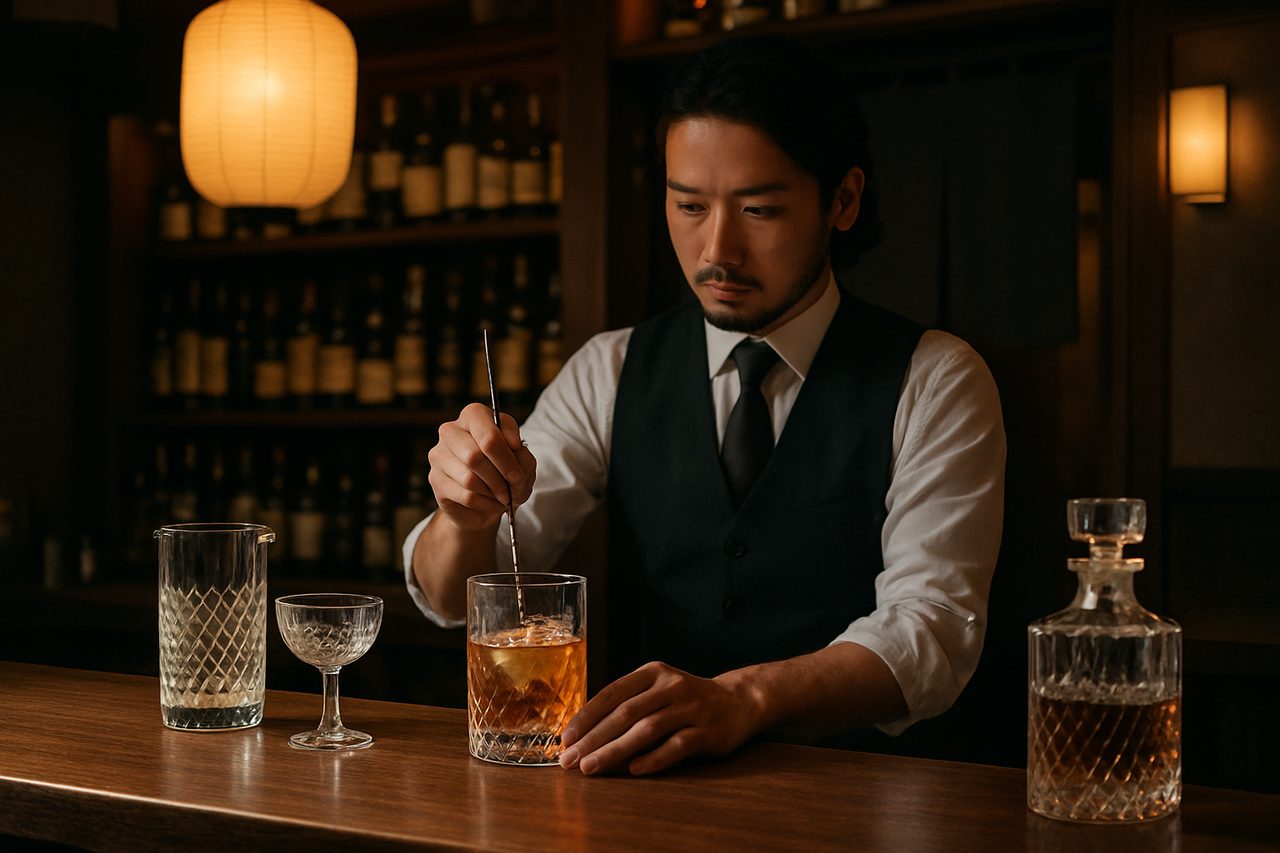
Inside a Ginza speakeasy, the atmosphere is typically quiet and focused. Seating is often limited to a counter and a few tables, and lighting tends to be low. Bartenders may take time to prepare each drink carefully, and conversation is usually kept at a moderate volume out of consideration for other guests.
Menus vary. Some bars present a printed list of signature cocktails, while others encourage guests to describe their preferences so the bartender can suggest or create a drink. Prices for craft cocktails in Ginza generally sit at a higher range than casual bars elsewhere in the city, reflecting the ingredients, service, and setting. Many venues also apply a seating or table charge, so it is worth confirming the policy when you arrive.
Etiquette and Practical Notes
Because these bars are small and service-oriented, a few points of etiquette can help your visit go smoothly. Arriving on time for reservations, keeping group sizes modest, and speaking quietly are generally appreciated. Photography policies differ from bar to bar, so it is polite to ask before taking pictures.
Payment methods also vary; some bars accept credit cards while others prefer cash. Checking in advance can prevent inconvenience at the end of the night. Dress codes are usually smart casual, though some establishments may have more specific expectations.
Building a Ginza Bar Crawl
A bar crawl in Ginza tends to look different from one in busier districts. Rather than moving quickly between many venues, visitors often spend more time at each stop, given the seated and unhurried nature of these bars. A realistic plan might include two or three carefully chosen venues over the course of an evening.
When planning a route, consider grouping bars that are within walking distance of one another to minimize travel time. Starting earlier in the evening can also help, as some smaller bars fill up as the night progresses. Leaving room for flexibility allows you to adjust based on availability and your own pace.
How Ginza Compares to Other Nightlife Districts
Ginza's hidden cocktail bars appeal to those seeking a refined, low-key experience. This contrasts with districts such as Roppongi and Shibuya, which offer a wider mix of clubs, casual bars, and entertainment venues. For travelers interested in variety, combining neighborhoods across different nights can provide a broader view of Tokyo nightlife.
For example, some visitors pair a quiet evening of cocktails in Ginza with a livelier night elsewhere. Roppongi, in particular, is known for its range of entertainment options, including close-up magic bars where performers present tricks at close range while guests enjoy drinks. Choosing between these options depends on the kind of atmosphere you prefer on a given night.
Conclusion: Planning a Memorable Night
Ginza's hidden speakeasies offer a thoughtful, intimate approach to Tokyo nightlife, centered on craft cocktails and attentive service. With a little research and awareness of local etiquette, visitors can navigate the unmarked doors and enjoy a calm, considered evening out. Whether you make Ginza the focus of your night or one stop on a broader Tokyo bar crawl, understanding what these venues offer will help you set expectations and plan accordingly.