A Guide to Tokyo's Close-Up Magic Bars After Dark: Where to Watch Sleight-of-Hand Over Drinks in Ginza and Shinjuku
Where Cocktails Meet Sleight of Hand
Tokyo nightlife covers far more than izakaya and karaoke rooms. Tucked into the upper floors of Ginza and the narrow lanes of Shinjuku, a small cluster of close-up magic bars offers a different kind of after-dark entertainment: a drink in hand while a performer works cards, coins, and small objects inches from your face. These venues sit somewhere between a cocktail bar and a live show, and they suit visitors looking for an intimate, conversation-friendly evening rather than a loud club. This guide explains what to expect, how the two main districts compare, and how to plan a smooth visit.
What a Close-Up Magic Bar Actually Is
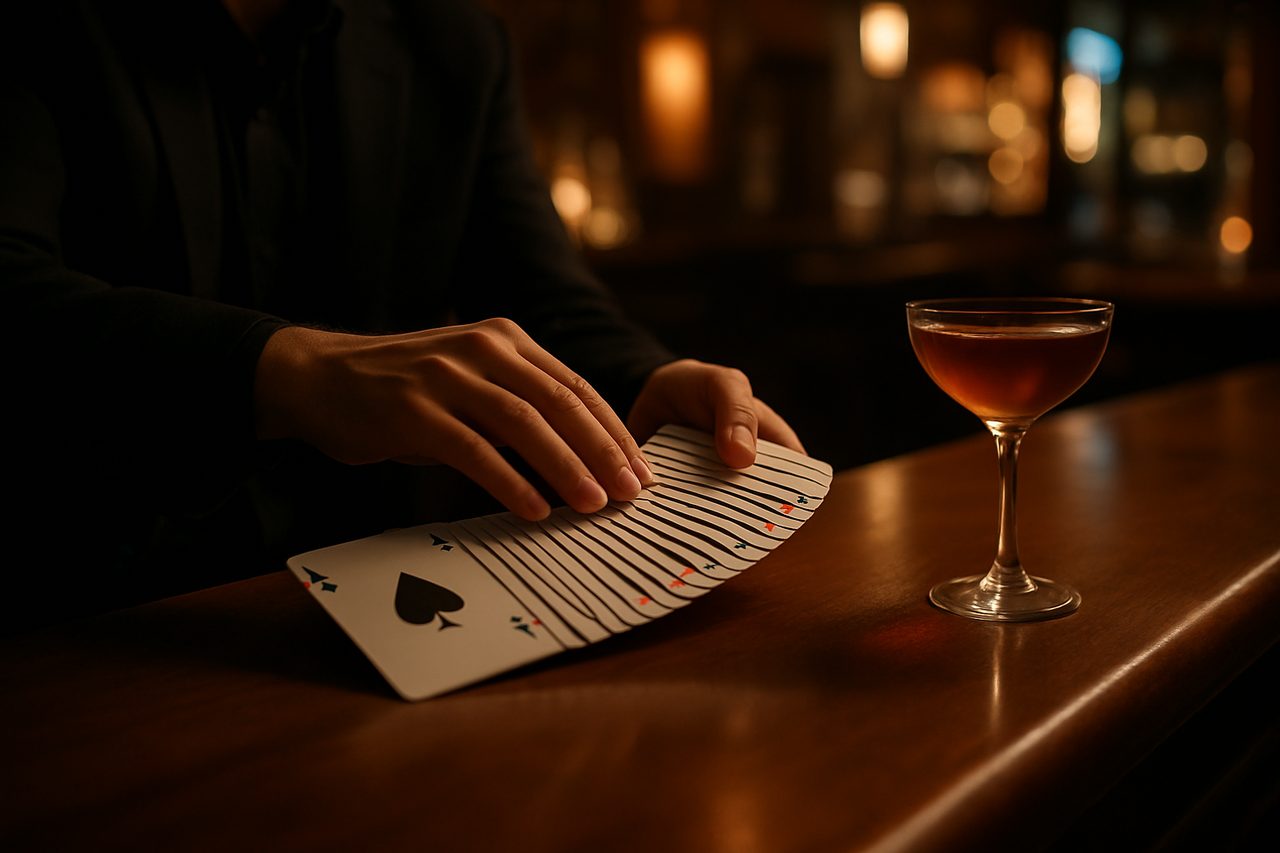
Close-up magic, sometimes called table magic, is performed at very short range using everyday objects. At a magic bar, this usually happens in one of two formats. In the first, a magician moves between seats or tables and performs short routines for small groups. In the second, guests sit at a counter and watch the bartender-magician perform directly across the bar as they mix drinks. Both formats reward attentiveness—the appeal lies in seeing the trick happen right in front of you rather than on a distant stage.
Most magic bars operate on a system that combines a seat charge or cover with drink orders. Some include one or two performances in the cover; others charge per show or run set rounds throughout the evening. Because seating is limited and rooms are small, these bars tend to feel personal, and interaction with the performer is part of the experience.
Ginza: Polished Rooms and a Refined Pace
Ginza is known for upscale dining and established bars, and its magic venues generally reflect that tone. Expect neatly dressed staff, a calmer atmosphere, and a focus on the craft of the performance. Bars here often lean toward a lounge feel, with comfortable seating and a cocktail list to match. This district suits visitors who want a slower, more polished evening, perhaps as a continuation of dinner nearby.
Prices in Ginza tend to sit at the higher end, so it helps to confirm the cover charge and performance format before you go. Reservations are advisable, especially on weekends, since these rooms seat only a handful of guests at a time. Many Ginza magic bars are located on the upper floors of buildings, so check the floor number and building name in advance.
Shinjuku and the Golden Gai Factor
Shinjuku offers a busier, more varied nightlife scene, and its magic bars range from small counter-style rooms to more casual spaces. The district as a whole is a natural base for an evening that mixes several venues, since bars, izakaya, and entertainment sit close together. If you are building a night around Tokyo bars in this area, a magic bar can serve as a memorable middle stop.
Golden Gai Shinjuku, the famous warren of tiny bars packed into a few short lanes, is worth understanding in this context. Most Golden Gai establishments are extremely small—often seating only a handful of people—and many specialize in a particular theme, music, or clientele. While Golden Gai itself is better known for its dense collection of themed drinking spots than for dedicated magic performances, it sits within easy walking distance of larger Shinjuku venues where close-up magic is the main draw. Pairing a wander through Golden Gai with a nearby magic bar makes for a well-rounded Shinjuku evening, provided you check each bar's cover charge and whether it welcomes first-time or non-regular visitors.
Ginza vs. Shinjuku: Choosing by Use Case
The right district depends on the kind of night you want. Ginza works well for a quieter, more formal outing—date nights, a relaxed drink after a nice dinner, or occasions where atmosphere and comfort matter most. Shinjuku suits travelers who want energy, variety, and the option to combine several stops in one walkable area. In terms of price, Ginza venues generally cost more, while Shinjuku offers a wider spread from moderate to premium. Consider also the language factor: some magic relies on patter and jokes, but close-up magic is largely visual, so it translates reasonably well even with limited Japanese.
Practical Tips Before You Go
Reserve ahead when possible, as seating is limited and popular slots fill quickly. Confirm the total cost structure in advance—look for the seat or cover charge, minimum drink order, and whether performances are included or billed separately. Arrive on time, since counter shows often run in rounds. A cashless payment option is not guaranteed at smaller bars, so carrying some cash is sensible. If you have specific requests, such as a front-row counter seat or an English-friendly performer, mention them when booking.
Etiquette is straightforward: watch attentively, follow the performer's cues, and ask before filming, as many venues restrict photography and video to protect the methods behind their routines. A friendly, curious attitude tends to make the interaction more enjoyable for everyone at the counter.
Making It Part of a Larger Night
A magic bar rarely needs to be the entire evening. In Ginza, it pairs naturally with a sit-down dinner and a final quiet drink. In Shinjuku, it fits into a longer crawl that might include an izakaya, a stroll through Golden Gai Shinjuku, and a late cocktail. Because these bars emphasize close interaction and a relaxed pace, they offer a change of rhythm from busier venues—a chance to slow down, watch something skillful up close, and talk with the people around you.
Whether you choose the refined rooms of Ginza or the layered energy of Shinjuku, Tokyo's close-up magic bars add a distinctive thread to the city's after-dark options. With a little planning around reservations and charges, they make for an evening that feels personal and memorable within the broader landscape of Tokyo nightlife.