Night Tokyo SEO article
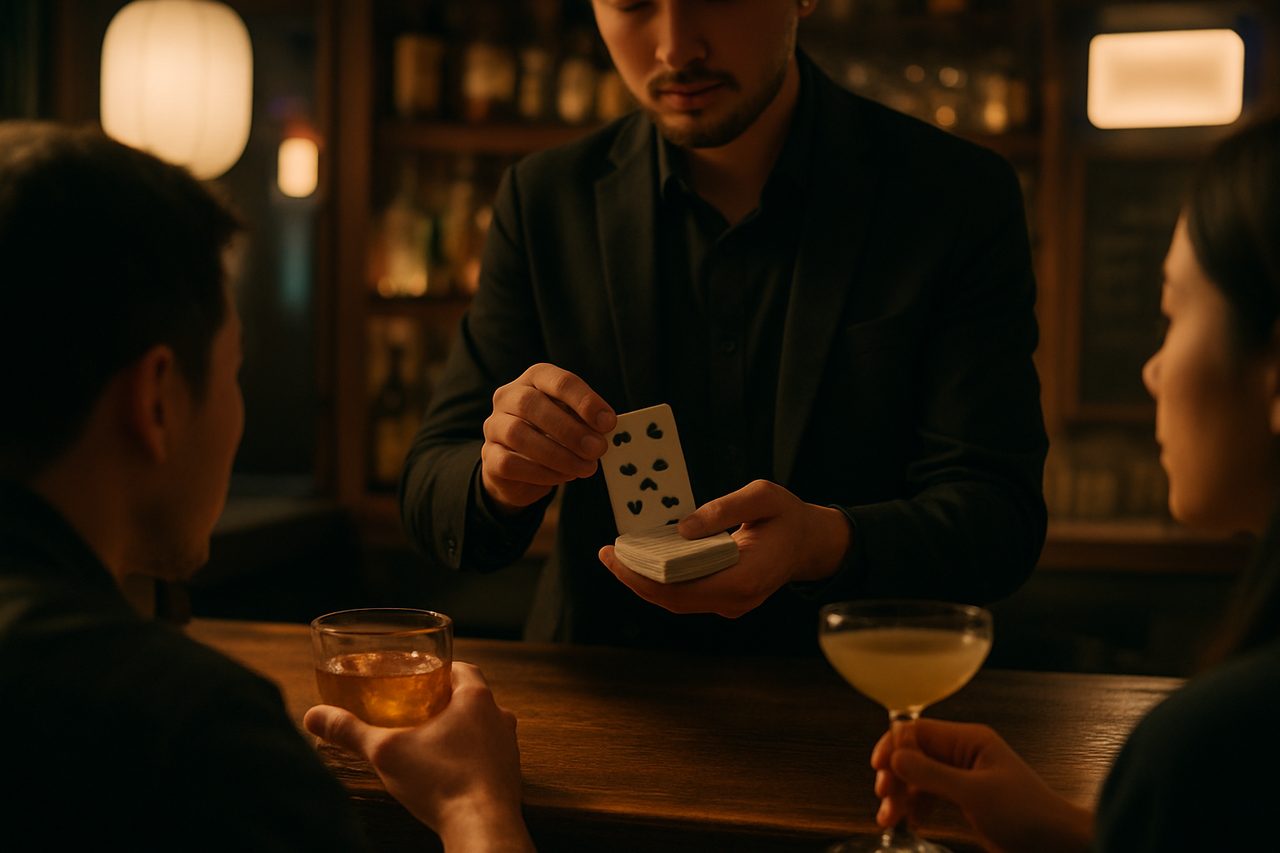
Exploring Tokyo's Nightlife: More Than Just Drinks
Tokyo after dark is a layered world that rewards curiosity. Beyond the famous crossings and department stores lies a nightlife scene that ranges from quiet basement bars seating only a handful of guests to expansive rooftop lounges with skyline views. For visitors and residents alike, understanding how the city's drinking culture is organized makes it far easier to find a spot that suits your mood, budget, and group size.
This guide introduces the main categories of Tokyo bars, highlights the growing niche of close-up magic bars, and offers practical tips for navigating a night out across neighborhoods like Shinjuku, Shibuya, and Ueno.
Types of Tokyo Bars to Know
Tokyo's bar landscape can be broadly divided into a few recognizable styles. Knowing the differences helps you set expectations for atmosphere, pricing, and service.
Rooftop and hotel bars tend to focus on views and a polished experience. Prices are generally higher, and many require or encourage smart-casual attire. These are well suited for special occasions or slow-paced conversation.
Standing bars (tachinomi) and izakaya offer a more casual, social environment where food and drink come together at accessible prices. They are practical choices for groups and for sampling a variety of small dishes.
Cocktail and whisky bars often emphasize craftsmanship, with attentive bartenders and quieter rooms. Some carry a seating charge (known as a table charge), which is common in Japan and worth confirming when you sit down.
What Are Close-Up Magic Bars?
Close-up magic bars are a distinctive part of Tokyo nightlife that combines a drinks menu with live sleight-of-hand performed just inches from your face. Rather than a stage show, the magic happens at the counter or your table, using cards, coins, and small objects. The intimacy of the setting is the main appeal: you can watch every movement and still be surprised.
These venues typically seat small numbers of guests, and performances may be included in a cover charge or offered as the bar rotates between tables. Because the experience is interactive, they work well for date nights, small celebrations, or travelers looking for something beyond a standard bar visit.
Tips for Visiting a Close-Up Magic Bar
Reservations are recommended, as seating is limited and popular slots fill quickly. Check in advance whether there is a separate charge for the performance in addition to drinks, and whether an English-speaking performer is available if language is a concern—many magicians rely on visual routines that transcend language, but it helps to know beforehand.
Arriving with a relaxed, open attitude enhances the experience. Since the magic unfolds close to you, participation such as choosing a card or holding an object is often part of the show. A modest first-drink order is usually expected upon seating.
Neighborhood Notes: Shinjuku, Shibuya, and Ueno
Shinjuku is dense with bars of every type, from the tiny establishments of Golden Gai to larger entertainment complexes. It suits those who want variety within walking distance, though some areas can be crowded late at night.
Shibuya skews younger and livelier, with a mix of music bars, cocktail spots, and casual venues. It is convenient for combining dinner, drinks, and late-night activity in one area.
Ueno offers a more traditional, down-to-earth atmosphere, with izakaya clusters and standing bars that tend to be friendlier on the wallet. It is a good option if you prefer a local feel over polished nightlife.
Practical Etiquette and Budgeting
Cash is still useful in Tokyo, though card acceptance has grown; smaller bars may be cash-only. Tipping is not customary in Japan, and attempting to tip can cause confusion. Be aware of seating charges and cover fees, which are legitimate and commonly listed rather than hidden.
For budgeting, a casual izakaya evening can be relatively affordable, while cocktail bars, rooftop lounges, and magic bars sit in a higher range once charges and multiple drinks are added. Confirming prices when you enter avoids surprises at checkout.
Planning Your Night Out
A satisfying Tokyo night often mixes formats: a relaxed dinner at an izakaya, a specialty stop such as a close-up magic bar, and perhaps a quieter cocktail bar to end the evening. Trains stop running around midnight in most areas, so plan your last connection or budget for a taxi if you intend to stay out late.
Whether you are drawn to skyline views, craft cocktails, or the surprise of magic performed at arm's length, Tokyo's nightlife offers enough range to build an evening around your own pace and interests.