A Guide to Tokyo's Best Sake Bars After Dark: Where to Taste Premium Nihonshu in Shinjuku and Ginza
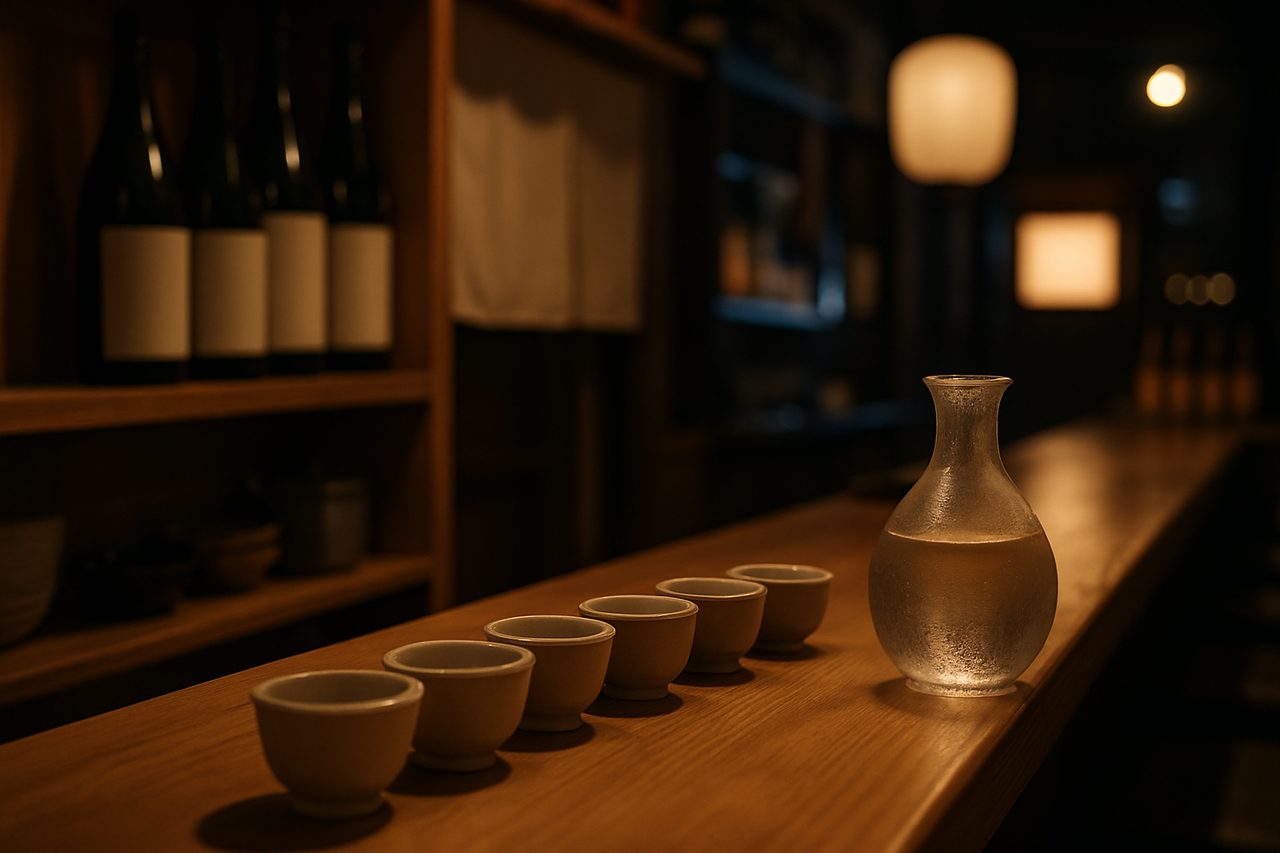
Discovering Tokyo's Sake Bar Scene at Night
Tokyo nightlife extends far beyond cocktail lounges and dance floors. For travelers and residents who want a quieter, more contemplative evening, the city's sake bars offer a chance to explore nihonshu (Japanese rice wine) with knowledgeable staff and thoughtfully curated selections. After dark, districts like Shinjuku and Ginza come alive with intimate spaces where you can taste premium sake by the glass, learn about regional breweries, and pair rice wine with seasonal small plates.
This guide explains what to expect from Tokyo night bars specializing in sake, how the two districts differ, and practical tips for making the most of your visit.
Understanding Nihonshu Before You Go
Sake is brewed from rice, water, koji mold, and yeast. The main categories you will see on menus relate to how much the rice has been polished and whether distilled alcohol is added. Junmai styles are made from rice, water, koji, and yeast alone, while ginjo and daiginjo use more highly polished rice for a lighter, often more aromatic result. Honjozo adds a small amount of distilled alcohol for a crisp finish.
You do not need to memorize these terms to enjoy a sake bar. Many venues in Tokyo employ staff who can guide you toward a style that suits your taste, whether you prefer something dry and clean or fuller and fruity. Sake can be served chilled, at room temperature, or warmed, and the same bottle may taste noticeably different depending on temperature.
Sake Bars in Shinjuku
Shinjuku is one of the busiest nightlife hubs in Tokyo, and its sake scene reflects that energy. The area ranges from lively standing bars where you rub shoulders with office workers to compact seated venues tucked into side streets and multi-floor buildings.
Many Shinjuku sake bars focus on offering a broad rotation of labels from breweries across Japan, sometimes with tasting sets that let you compare three or more varieties side by side. This format is well suited to visitors who want to try a range in a single sitting. Prices for a tasting flight are generally moderate, while rarer bottles are charged per glass at higher rates. The casual atmosphere in much of Shinjuku means you can often visit without a reservation, though seating can be limited during peak evening hours.
Sake Bars in Ginza
Ginza is known for a more refined and upscale nightlife, and its sake bars tend to reflect that character. Here you are more likely to find polished interiors, attentive table service, and carefully composed food pairings that highlight seasonal Japanese ingredients. A Ginza nightlife guide would note that the district rewards visitors who appreciate a calmer, more deliberate pace.
Sake bars in Ginza often present premium and limited-production labels, and some emphasize matching each pour with specific dishes such as sashimi, grilled fish, or delicate simmered vegetables. Because of the setting and service level, prices in Ginza are typically higher than in Shinjuku, and some establishments recommend or require reservations, particularly for counter seats.
Shinjuku or Ginza: Which Suits Your Evening?
Choosing between the two districts comes down to the kind of evening you want. Shinjuku is a practical choice if you value variety, a lively crowd, and the flexibility to drop in without planning ahead. It also pairs well with a longer night out, since the area has abundant options nearby once you finish your sake.
Ginza is better suited to a slower, more intimate experience where the focus is on quality, food pairing, and a quiet atmosphere. If you are marking a special occasion or want to concentrate on tasting premium nihonshu without distraction, Ginza's environment supports that. Both districts are easily reached by train and are central to Tokyo's after-dark map.
Practical Tips for Visiting Tokyo Night Bars
A few habits will help your visit go smoothly. Many smaller bars have limited seating, so arriving earlier in the evening or making a reservation increases your chances of a seat, especially in Ginza. Some establishments add a seating or table charge (otoshi), which usually includes a small appetizer; this is a common practice in Japan rather than an unexpected fee.
When ordering, it is perfectly acceptable to tell the staff your preferences and ask for a recommendation. Drinking water alongside your sake helps you pace yourself and appreciate the flavors. If you are trying several styles, starting with lighter, drier sake before moving to richer ones can make the differences easier to notice.
Enjoying Sake Responsibly
Sake is often served in modest portions, but its alcohol content is comparable to wine, so it is worth keeping track of how much you consume across an evening. Trains in Tokyo stop running around midnight to shortly after, so plan your route home in advance, particularly if you are venturing between districts.
Tokyo's sake bars offer an approachable window into a long brewing tradition, whether you settle into a busy Shinjuku counter or a refined Ginza room. With a little planning and an open mind, an evening of tasting nihonshu can become one of the more memorable parts of your Tokyo nightlife experience.