A Guide to Tokyo's Standing Bars (Tachinomi) After Dark: Where to Drink Elbow-to-Elbow in Shinbashi and Ueno
What Is a Tachinomi, and Why Drink Standing Up?
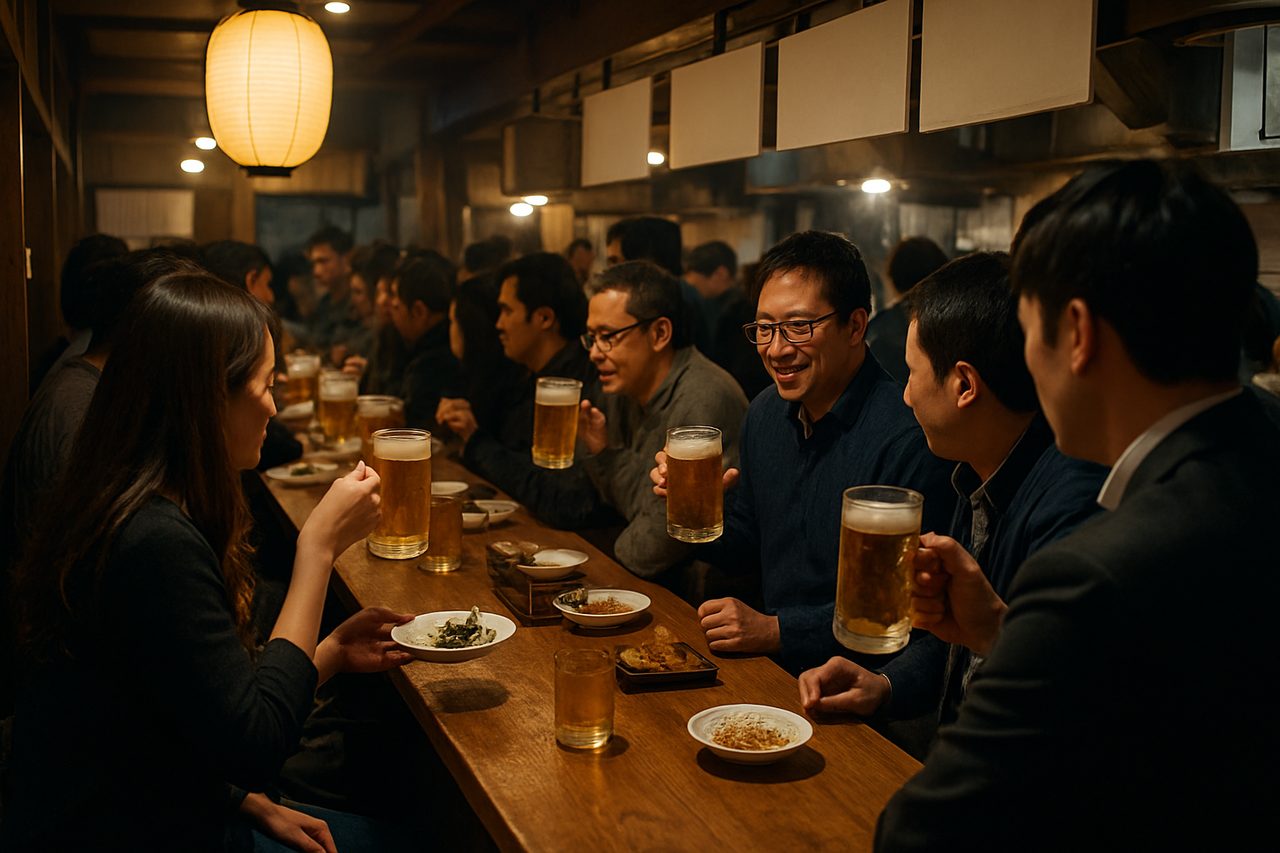
A tachinomi (立ち飲み) is a standing bar where customers drink and eat while on their feet, usually gathered around a counter or a few high tables. The format has deep roots in Japan's working-class drinking culture, where liquor shops once let customers sample and drink on the premises. Today, tachinomi remain a practical and social way to enjoy Tokyo nightlife after dark.
The appeal is straightforward. Standing bars tend to keep prices low, turnover quick, and the atmosphere casual. Because there are no reserved seats and little personal space, conversation between strangers happens naturally. For solo travelers and small groups alike, a tachinomi is one of the easier entry points into Tokyo bars after dark, where you can order a drink, a few small plates, and move on when you like.
How Tachinomi Work: Practical Basics
Most tachinomi operate on a pay-as-you-go or cash-first basis, though more venues now accept IC cards and credit cards. At some bars you order and pay at the counter each round; at others you run a tab and settle when leaving. Portions are usually small and inexpensive, designed to pair with a drink rather than serve as a full meal.
Etiquette is relaxed but worth knowing. Space is shared, so keep bags at your feet and avoid spreading out. It is common to stand shoulder to shoulder with strangers, and a short nod or greeting is normal. Many places have a rough time limit during busy hours, and some ask that you order at least one drink and one dish. A few venues add a small seating or table charge even for standing, so check posted notices if you are budgeting carefully.
Shinbashi After Dark
Shinbashi, just south of Ginza, is long associated with office workers unwinding after work. The area around the station and its side streets is dense with izakaya, yakitori stalls, and standing bars, making it one of the more reliable districts for casual, budget-friendly drinking.
Tachinomi in Shinbashi often lean toward the traditional: sake, shochu, highballs, and simple grilled or fried dishes. Crowds build sharply on weekday evenings between roughly 6 and 9 p.m., when nearby offices empty out. If you prefer a quieter start, arriving earlier in the evening gives you room at the counter and a better chance to talk with staff. The neighborhood is walkable, so it is easy to try one bar, then move to the next as your group's mood shifts.
Ueno After Dark
Ueno has a different character. Anchored by the Ameyoko market street and the areas around Ueno Station, it mixes daytime shopping bustle with evening drinking. As shops close, many market stalls and small bars keep serving, giving the district a lively, slightly rougher energy than the office-driven crowds of Shinbashi.
Standing bars here range from seafood-focused counters to bars serving cheap grilled skewers and large mugs of beer. Because the market draws a wide mix of locals, tourists, and shift workers, Ueno tachinomi can feel more diverse and unstructured. It is a good area to wander first and let a busy, welcoming counter draw you in, rather than planning a fixed route.
What to Order
Drinks at tachinomi are usually simple and affordable. Common choices include draft beer, highballs (whisky and soda), sake served cold or warm, and shochu mixed with soda or water. Many bars also stock lemon sours and other fruit-based mixed drinks.
Food is meant to complement drinking rather than fill you up. Look for small plates such as edamame, grilled skewers, simmered dishes, sashimi at seafood-oriented bars, and fried snacks. Ordering one or two items at a time lets you sample more without overcommitting, which suits the quick, mobile spirit of standing-bar drinking.
Combining Tachinomi with Other Tokyo Nightlife
A standing bar makes a good first or second stop in a longer night out. Because visits are short and inexpensive, tachinomi pair well with more structured experiences later in the evening. After a couple of quick drinks in Shinbashi or Ueno, some visitors move on to a rooftop lounge, an izakaya alley for a longer sit-down meal, or a reservation-based venue such as one of the close-up magic bars found in areas like Ginza and Ueno.
If you plan to end the night at a bar that takes bookings or has a cover charge, it helps to time your tachinomi stops earlier. That way you can enjoy the casual, elbow-to-elbow atmosphere first, then settle into a seated venue when you are ready for a slower pace.
Tips for First-Time Visitors
Carry cash, as not every small bar accepts cards. Learn a few basic phrases for ordering, though pointing at dishes or other customers' plates is widely understood. Travel light, since counter space is limited and there is rarely anywhere to store luggage. Pace yourself across several bars rather than staying long in one, which is part of how locals enjoy the format.
Finally, stay aware of closing times and last trains. Many tachinomi wind down before the deepest hours of the night, so if you want to keep going, plan your route from lively early-evening standing bars toward venues that stay open later. Approached this way, Tokyo's tachinomi offer an accessible, social, and affordable window into the city's nightlife after dark.