Tokyo nightlife · Roppongi
Roppongi After Dark
Tokyo's most international district after dark — from a quiet corner of old Edo to the neon, embassies and museums of today. Here's Roppongi's story, and the rare magic-and-cocktail counter at its heart.
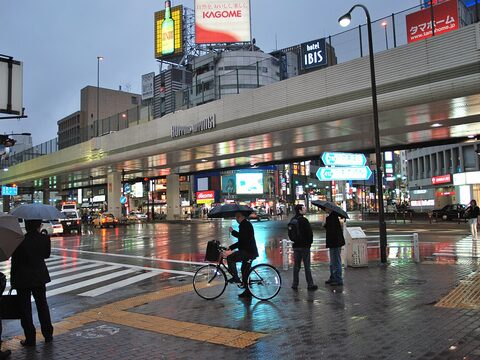
The story of Roppongi
The Story of Roppongi: From "Six Trees" to Tokyo's Most International District
Roppongi's name means "six trees," and it is thought to date to around 1660. Two theories compete over its origin: some say six large zelkova trees once marked the area, while others trace it to six daimyō families of the Edo period, each of whose names carried a kanji for a tree or a kind of tree.
For much of the Edo period, this was a quiet corner of the city. It held only two small communities, Iigura-Roppongi-cho and Ryudo-Roppongi-cho, made up mostly of samurai residences, shrines and temples. In 1626 it served as the site of the cremation of Shogun Tokugawa Hidetada's wife — a reminder of how the district sat on well-trafficked, historically significant ground.
Roppongi's modern character was forged by the military. In 1890 the Imperial Japanese Army's Third Imperial Guard was moved to a site near Roppongi, and an early entertainment quarter grew up around the soldiers. That first chapter ended abruptly when the Great Kanto Earthquake flattened the area in 1923.
After World War II, the United States Army and Allied government officials occupied several facilities in Roppongi — Hardy Barracks among the most prominent — cementing the district's enduring reputation as a neighborhood with a large non-Japanese population. The Allied occupation of Japan formally ended in 1952, though US-affiliated facilities such as Hardy Barracks remained in Roppongi long afterward; over time, Japanese customers were gradually welcomed into venues that had once catered to military personnel.
From the 2000s, Roppongi was reinvented once more, this time by massive redevelopment. Minoru Mori's Roppongi Hills mega-complex was completed in 2003, and Tokyo Midtown followed in 2007, layering high-end offices, residences, retail and world-class museums onto the old nightlife district — repositioning Roppongi as a culture-and-business hub as much as an after-dark one.
After dark
How Roppongi Became Tokyo's Nightlife Capital
Roppongi's after-dark identity was shaped by the military and diplomatic presence that surrounded it. Around the post-war U.S. installations, Japanese-owned restaurants, pool halls, bars and brothels sprang up to serve American servicemen — and were soon frequented by Japanese customers too. The result was a mixed, international drinking culture that was unusual for Tokyo at the time.
As the occupation ended and foreign embassies and corporate offices clustered in the area, that cosmopolitan mix only deepened. Starting in the late 1960s, Roppongi's disco scene made it a magnet for both foreigners and Tokyo's entertainment elite, and through the following decades it became the city's signature nightlife quarter — a dense concentration of clubs, discos, hostess clubs and bars centered on the famous Roppongi Crossing.
During Japan's 1980s bubble-economy era, Roppongi was cemented in the popular imagination as a playground for wealthy businessmen and celebrities, its reputation for nightlife and excess rivaled only by Shinjuku's Kabukicho.
The redevelopments of the 2000s added a polished, cultural daytime layer. Roppongi Hills (2003) and Tokyo Midtown (2007) brought in the Mori Art Museum, the National Art Center Tokyo and the Suntory Museum of Art — three institutions that together formed the "Art Triangle Roppongi." Yet even with the galleries and towers, Roppongi's core draw remains what it has always been: an international, entertainment-driven nightlife scene.
A uniquely Tokyo night
What Is a "Magic Bar"? A Distinctly Japanese Night Out
If you've never encountered one, a Japanese magic bar is exactly what it sounds like — and more intimate than you'd imagine. It's a small, atmospheric bar where a professional magician performs close-up magic right at your counter, an arm's length away, while you sip a craft cocktail. There's no distant stage and no big-theater spectacle; the wonder happens in your hands, on the bar top, inches from your drink.
This format is distinctly Japanese. It pairs the country's celebrated bar culture — careful cocktails, warm hospitality, a relaxed and refined mood — with world-class sleight of hand delivered in conversation, one small group at a time. The effect is personal and social: you're not an audience member in row twenty, you're part of the moment, laughing and gasping with the people beside you.
The magic bar fits Roppongi's modern scene perfectly. In a district built on international, entertainment-driven nightlife, an evening that blends craft drinks with jaw-dropping close-up magic is exactly the kind of only-in-Tokyo experience visitors come looking for — sophisticated, unforgettable, and easy to enjoy whether or not you speak Japanese.
Where the two crafts meet
BAR21 — Close-Up Magic Meets the Craft Cocktail
Right here in Roppongi — in the heart of the district we've just walked through — is BAR21, a magic bar that brings this distinctly Japanese format to life. It sits squarely within Roppongi's present-day entertainment scene, the same international, after-dark quarter that servicemen, diplomats, disco-goers and museum crowds have shaped over the decades.
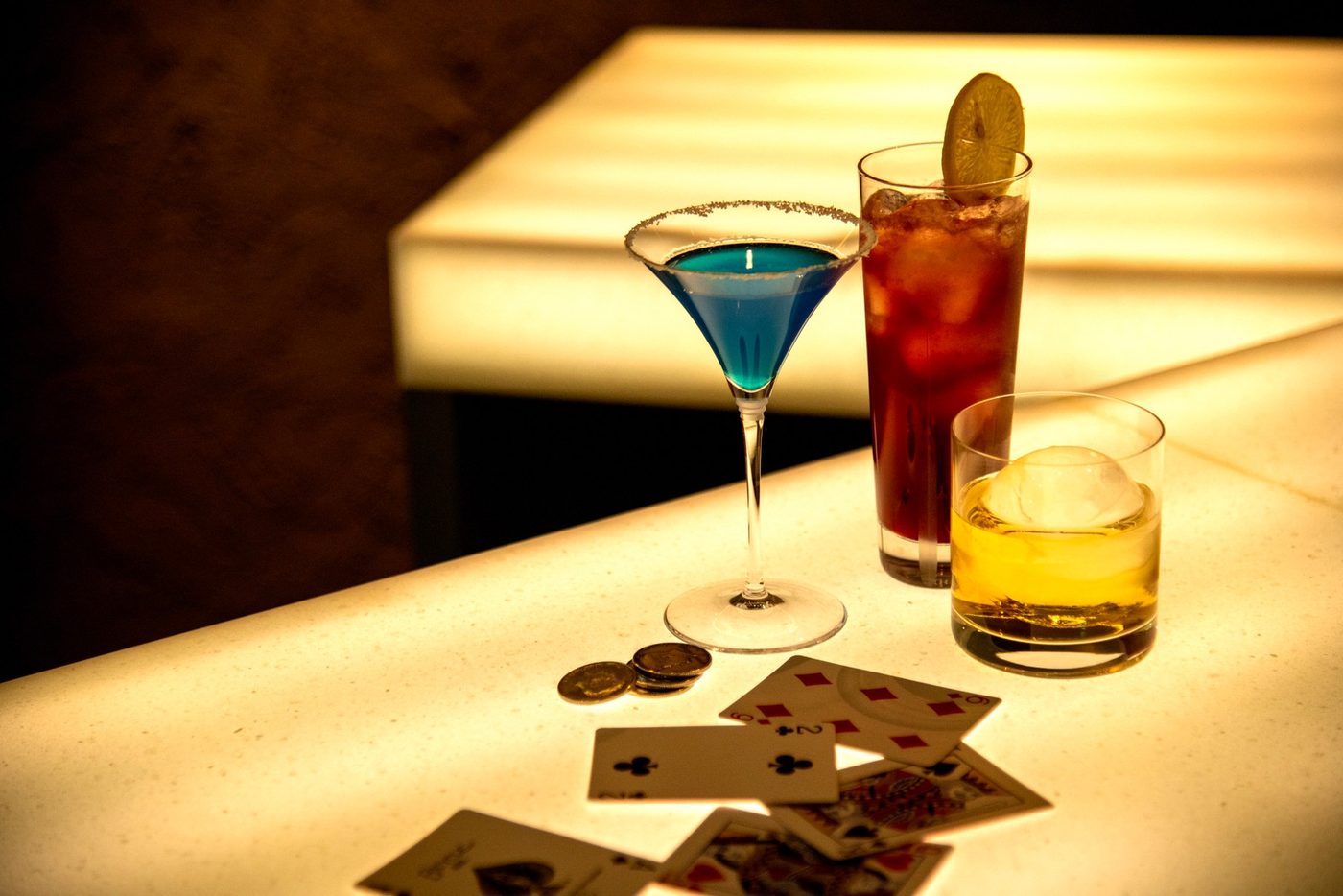
At BAR21, a professional magician performs close-up magic right at your counter while you enjoy craft cocktails — an intimate, face-to-face experience rather than a stage show viewed from afar. It's the kind of night that captures everything Roppongi does best: welcoming to international visitors, genuinely entertaining, and unmistakably Tokyo.
If you're looking for one unforgettable evening that's pure Roppongi — and genuinely hard to find anywhere else — BAR21 is the place to start.
Fresh stories on Tokyo nights, close-up magic and the city's best counters — in our magazine.
Read the Magazine →Area photo via Wikimedia Commons (CC BY / CC BY-SA)
Latest Roppongi Articles
 Late Night Bars In Roppongi
 Roppongi Entertainment Bar
 Near Me Magician Bar In Near Roppongi Station For Tourists Birthday
 Roppongi Anniversary Ideas
 Best Roppongi Bars For Tourists
 Best Magic Bar Roppongi
 Roppongi Night Attractions
 Hidden Bars Roppongi
Luxury Bars In Roppongi
Experience Magician Bar In Near Roppongi Station For Tourists First Date
Hidden Bars Roppongi
Luxury Bars In Roppongi
Experience Magician Bar In Near Roppongi Station For Tourists First Date
Browse all (125)
- What To Do Magician Bar In Roppongi For Solo Travelers Surprise
- Near Me Magic Bar In Near Roppongi Station For Solo Travelers Birthday
- Roppongi Entertainment
- Roppongi Unique Experiences
- Top Close Up Magic In Near Roppongi Station For Friends
- Best Bars In Roppongi
- What To Do Magic Experience In Near Roppongi Station For Couples After Dinner
- Magic Experience Near Roppongi Station Birthday Foreigners
- Roppongi Luxury Nightlife
- Illusion Show Roppongi For Couples
- Hidden Bars In Roppongi
- Upscale Bars Roppongi
- Best Interactive Magic In Roppongi For Foreigners
- Roppongi Late Night Bars
- Roppongi Close Up Magic Bar
- Roppongi Luxury Nightlife Experience
- Popular Interactive Magic In Roppongi For Solo Travelers
- Roppongi Nightlife
- Top Magic Show Bar In Roppongi For After Dinner
- Near Me Illusion Show In Near Roppongi Station For Solo Travelers Birthday
- Late Night Magic Experience In Roppongi For Couples Late Night
- Roppongi Expat Bars
- Roppongi Night Activities
- Quiet Bars In Roppongi
- Best Magician Bar In Near Roppongi Station For Foreigners Birthday
- Illusion Show Near Roppongi Station For After Dinner
- Best Date Spots Roppongi
- Open Now Magic Show Bar In Roppongi For Tourists After Dinner
- Roppongi After Dark
- Roppongi Premium Nightlife Experience
- Roppongi Magic Show Bar
- Magic Show Bar Roppongi
- Experience Illusion Show In Roppongi For Friends
- Roppongi Interactive Bar
- Close Up Magic Near Roppongi Station Weekend Plan Couples
- Romantic Things To Do In Roppongi
- Open Now Illusion Show In Roppongi For Foreigners
- Premium Bars In Roppongi
- Roppongi Close Up Magic
- Roppongi English Friendly Bars
- Late Night Magic Show Bar In Roppongi For Solo Travelers
- Roppongi Magic Show
- Magician Bar Near Roppongi Station Surprise Friends
- Birthday Ideas Roppongi
- Romantic Night Roppongi
- Roppongi Date Night
- Luxury Bars Roppongi
- Roppongi Upscale Bars
- Near Me Magician Bar In Near Roppongi Station For Foreigners
- Experience Magic Show Bar In Near Roppongi Station For Foreigners Surprise
- Near Me Magician Bar In Roppongi For Foreigners Surprise
- Near Me Magic Show Bar In Roppongi For Couples First Date
- Magic Show Bar Near Roppongi Station Late Night Friends
- Roppongi Cocktail Bars
- Roppongi Unique Experience
- Close Up Magic In Roppongi
- Roppongi Nightlife For Couples
- Magic Bar Near Roppongi Station Anniversary
- Close Up Magic Roppongi
- Roppongi Bar Hopping Guide
- Roppongi Nightlife For Adults
- Performance Bar Roppongi
- Live Entertainment Bar Roppongi
- Late Night Bars Roppongi
- Unique Interactive Magic In Near Roppongi Station For Couples
- Roppongi After Dark Guide
- Birthday Party Roppongi
- Top Magician Bar In Roppongi For Solo Travelers Date Night
- Roppongi Nightlife Entertainment
- Roppongi Magic Bar
- Roppongi Birthday Celebration
- Best Close Up Magic In Roppongi For Friends Date Night
- Interactive Magic Near Roppongi Station For Girls Night
- Roppongi Hidden Bars
- What To Do Close Up Magic In Near Roppongi Station For Friends Late Night
- Quiet Bars Roppongi
- Roppongi Couple Experience
- Best Magic Bar In Roppongi
- Experience Magic Show Bar In Roppongi For Couples
- Roppongi Romantic Experience
- Roppongi Nightlife Experience
- Unique Experiences In Roppongi At Night
- Top Magician Bar In Roppongi
- Roppongi Night Guide For Tourists
- Roppongi Date Night Ideas
- Roppongi Premium Nightlife
- Unique Illusion Show In Roppongi For Girls Night
- Romantic Bars Roppongi
- Best Cocktail Bars In Roppongi
- Roppongi Things To Do At Night
- Magic Bar Near Roppongi Station For Girls Night
- Late Night Magic Show Bar In Roppongi For Foreigners Birthday
- Best Magic Experience In Near Roppongi Station For Friends First Date
- Magic Bar Near Roppongi Station After Dinner Couples
- Magic Bar Near Roppongi Station Late Night Solo Travelers
- Roppongi Magic Show Experience
- Top Interactive Magic In Near Roppongi Station For Foreigners
- Open Now Illusion Show In Roppongi For Foreigners After Dinner
- Roppongi Luxury Bars
- Roppongi Performance Bar
- Magic Bar Roppongi For Weekend Plan
- Interactive Bar Experience Roppongi
- Roppongi Night Spots
- Late Night Illusion Show In Near Roppongi Station For Foreigners Anniversary
- Magic Show Bar Near Roppongi Station First Date Foreigners
- Open Now Magic Bar In Near Roppongi Station
- Experience Interactive Magic In Near Roppongi Station For Couples Date Night
- Roppongi Entertainment Guide
- Magician Bar Roppongi Weekend Plan Foreigners
- Date Night Tokyo Roppongi
- Unique Magic Show Bar In Roppongi For Couples
- Roppongi Birthday Celebration Spots
- Near Me Illusion Show In Near Roppongi Station For Couples Girls Night
- Hidden Gems Roppongi Nightlife
- Best Rooftop Bars In Roppongi
- Birthday Bar Roppongi
- Romantic Bars In Roppongi
- Roppongi Nightlife Guide
- Things To Do Illusion Show In Roppongi For Friends
- Unique Illusion Show In Near Roppongi Station For Foreigners
- Unique Close Up Magic In Roppongi For Anniversary
- Roppongi Surprise Birthday Ideas
- Roppongi Nightlife For Tourists
- Late Night Close Up Magic In Near Roppongi Station For Couples Late Night
- Top Magic Bar In Roppongi For First Date
Latest Articles
- BlogOct 19
- Popular Magician Bar In Shinjuku For Late NightOct 19
- Top Magic Experience In Tokyo Nightlife District For Late NightOct 12
- Best Magician Bar In Ginza For First DateOct 05
- Near Me Magic Experience In Shibuya For Solo Travelers AnniversarySep 28
- Things To Do Magic Bar In Tokyo Nightlife District For CouplesSep 21
- Late Night Magician Bar In Shibuya For FriendsSep 14
- Magic Show Bar Near Roppongi Station First Date ForeignersSep 07
- Late Night Close Up Magic In Shinjuku For ForeignersAug 31
- Near Me Magic Bar In Near Roppongi Station For Solo Travelers BirthdayAug 24
- Open Now Illusion Show In Roppongi For Foreigners After DinnerAug 17
- Magic Bar Ginza Girls Night Solo TravelersAug 10
- Best Magic Show Bar In Shibuya For Solo Travelers SurpriseAug 03
- Near Me Magic Show Bar In Tokyo For Late NightJul 27
- PreviewJul 20
- What To Do Close Up Magic In Tokyo Nightlife District For Weekend PlanJul 20
- What To Do Magic Experience In Near Roppongi Station For Couples After DinnerJul 13
- Unique Magic Show Bar In Shibuya For Couples AnniversaryJul 06
- ExperiencesJul 01
- Magician Bar Shinjuku First Date TouristsJun 29