Tokyo nightlife · Ginza
Ginza After Dark
Tokyo's most refined night out, and the birthplace of the Japanese cocktail bar. Here's Ginza's story — and the craft that made it famous the world over.
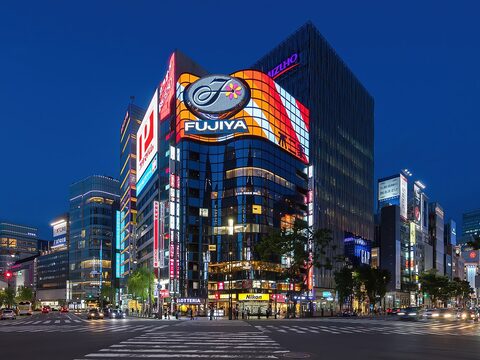
The story of Ginza
From Silver Mint to Tokyo's Grandest Address: The History of Ginza
Ginza owes its name to a silver mint that the Tokugawa (Edo) shogunate established here in the early 17th century. The mint itself later moved to Nihonbashi around 1800, but the name Ginza, meaning silver mint or silver guild, stuck to the district for good. Built on reclaimed marshland at the edge of Tokyo Bay, Edo-period Ginza was a neighborhood of artisans, kabuki and Noh performers, and kimono merchants.
Its defining transformation came in the Meiji era. After a devastating fire in 1872 leveled the Kyobashi-Ginza area, reportedly destroying dozens of towns and thousands of houses, the new government seized the moment to build Japan's first modern Western district. British architect Thomas James Waters designed the Renga-gai, or Bricktown, a run of fireproof Georgian-style brick buildings along a main street widened to about 27 meters, more than double its former width, with sidewalks separated from the carriageway, gas street lamps, and rows of street trees.
Cherry, pine and maple were tried first but failed to thrive in the reclaimed soil, and the willow took their place, eventually becoming so tied to the district that it came to symbolize Ginza itself. Western shops, from bakeries and clock dealers to furniture and clothing stores, pioneered window-display retail, and by the Taisho era Ginza was celebrated as the center of modern culture. It was here, around 1915 to 1916, that the word ginbura entered the language, describing the leisurely, purposeless stroll through Ginza to window-shop and be seen, a pastime of the modern girls and boys (moga and mobo) of the day.
The Great Kanto Earthquake of 1 September 1923 flattened the Bricktown, but reconstruction brought the great department stores that still anchor the district: Matsuzakaya in 1924, Matsuya in 1925 and Mitsukoshi in 1930. By 1929 Ginza's rents had overtaken Nihonbashi's, cementing its status as Japan's premier luxury shopping district. Reduced to ashes once more by US air raids in 1945, Ginza rebuilt yet again and became the shining symbol of postwar Japanese prosperity, a role its flagship stores, galleries and global luxury boutiques still play today.
After dark
How Ginza Became a Nightlife Destination
Ginza's nightlife grew out of the very same wave of modern culture that shaped its shopping streets. The Taisho-era cafes, among them Cafe Printemps (opened 1911), Cafe Paulista and Cafe Lion, were gathering spots for artists and intellectuals. They also employed young women, known as jokyu, to serve drinks and conversation to male patrons, and these cafes are widely cited as an early root of Japan's later hostess-club culture, a more casual counterpart to the older geisha world.
After the war, that culture matured into the mizu-shobai, literally the water trade of bars, clubs and hostess lounges. As the postwar economic miracle took off from the mid-1950s and corporate Japan built after-hours entertainment into the rhythm of business life, Ginza became the most prestigious address for elegant clubs and hostess lounges. It peaked spectacularly during the 1980s Bubble years, when elite clubs catered to executives and politicians and salarymen were legendary for the sums they dropped over a single evening. Even today the district is described as holding on the order of 4,000 bars, clubs and restaurants and some 20,000 hostesses, with high-end clubs charging roughly 20,000 to 50,000 yen for 90 minutes. Both the 1990s Bubble collapse and the 2008 Lehman shock hit this luxury nightlife hard.
Ginza's other nocturnal identity, however, has only grown in stature: it is the heartland of Japan's revered authentic cocktail-bar craft. In these small, hushed, formally dressed rooms, the hallmarks of Japanese bartending are on fullest display, from proprietary shaking techniques and hand-carved ice to meticulous omotenashi hospitality. Star Bar's Hisashi Kishi, chairman of the Nippon Bartenders Association, is treated as a godfather of the style. Kazuo Uyeda opened Tender Bar in 1997 and popularized the famous hard shake, a corkscrew-motion technique that rolls the ice to produce a colder, smoother, more aerated cocktail. And Hidetsugu Ueno, who trained under Kishi at Star Bar, opened Bar High Five in 2008 and quickly climbed onto the world's-best-bars lists. More than any single venue, it is this mentor-to-protege lineage that makes Ginza the beating heart of Japanese bar craft.
A uniquely Tokyo night
The Magic Bar: A Distinctly Japanese Night Out
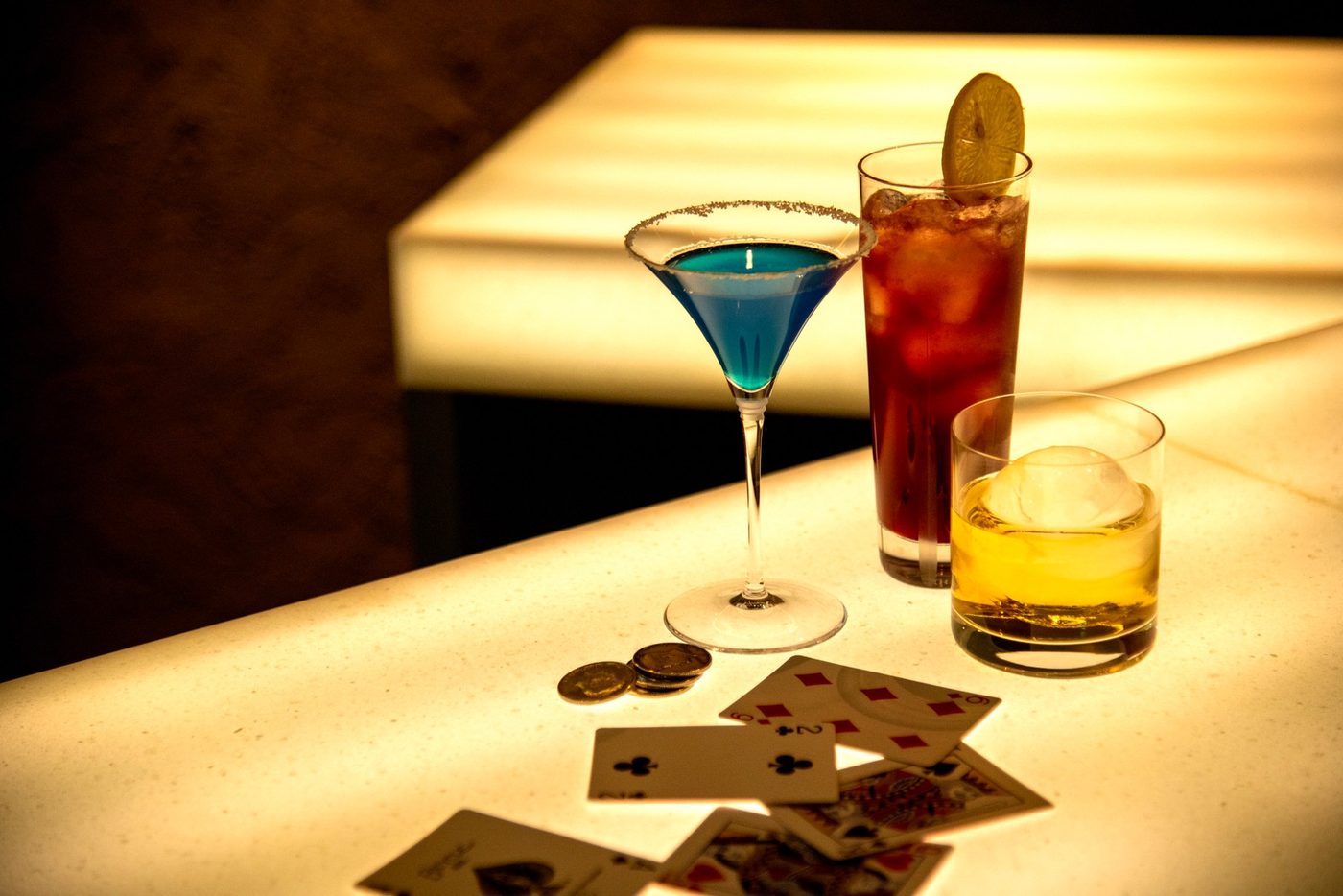
Among the many bar formats you will encounter in Tokyo, one stands out as distinctly Japanese: the magic bar. The idea is simple but captivating. You settle in at an intimate counter, order a craft cocktail, and a professional magician performs close-up magic right in front of you, sometimes just centimeters from your hands. Cards, coins and small objects seem to defy explanation, all at conversational distance while you sip your drink. It is not a stage show viewed from afar but a personal, interactive performance shared across the bar.
The format sits naturally alongside the values that define Ginza's best rooms. Where an authentic Ginza cocktail bar prizes precision, intimacy and omotenashi hospitality, the magic bar takes that same close, attentive counter experience and adds a live sense of wonder. It is a modern evolution of the small, craft-focused Japanese bar, pairing serious drink-making with a performance you can reach out and almost touch.
Where the two crafts meet
BAR21 — Close-Up Magic Meets the Craft Cocktail
If the magic bar concept intrigues you, it is worth knowing where Tokyo's rare example of this fusion lives. The city's most striking fusion of close-up magic and craft cocktails is BAR21, and it is not in Ginza itself but in nearby Roppongi.
The good news for anyone exploring Ginza is that Roppongi is only a short train ride away. After an evening of ginbura strolling and a taste of Ginza's celebrated cocktail craft, BAR21 makes an easy and memorable next stop, an intimate counter where a professional magician performs right in front of you while you enjoy a well-made drink.
For international visitors who want to experience the magic bar, one of Japan's most distinctive nightlife formats, the trip from Ginza to BAR21 in Roppongi is well worth making.
Fresh stories on Tokyo nights, close-up magic and the city's best counters — in our magazine.
Read the Magazine →Area photo via Wikimedia Commons (CC BY / CC BY-SA)
Related Tokyo Night Experiences
Latest Ginza Articles
 Experience Magician Bar In Ginza For Surprise
 Things To Do Illusion Show In Ginza For Friends Birthday
 What To Do Illusion Show In Ginza For Foreigners
 Unique Interactive Magic In Ginza For Friends
 Close Up Magic Ginza Surprise Tourists
 Magic Bar Ginza For Tourists
 Ginza Luxury Bars
 Close Up Magic Ginza For Date Night
Unique Illusion Show In Ginza For Tourists Birthday
Open Now Close Up Magic In Ginza For Birthday
Close Up Magic Ginza For Date Night
Unique Illusion Show In Ginza For Tourists Birthday
Open Now Close Up Magic In Ginza For Birthday
Browse all (16)
- Ginza Nightlife
- Near Me Magician Bar In Ginza For Solo Travelers
- Close Up Magic Ginza For Foreigners
- Best Magician Bar In Ginza For First Date
- Close Up Magic Ginza Birthday Foreigners
- Close Up Magic Ginza For After Dinner
- What To Do Magic Experience In Ginza For Couples Surprise
- Near Me Illusion Show In Ginza For Late Night
- Magic Bar Ginza Girls Night Solo Travelers
- Near Me Magic Bar In Ginza For Foreigners After Dinner
- Best Close Up Magic In Ginza For Birthday
- Near Me Illusion Show In Ginza
- Ginza
- Popular Magic Experience In Ginza For Couples
- Magic Experience Ginza Surprise Tourists
- Things To Do Magic Experience In Ginza For Late Night
Latest Articles
- BlogOct 19
- Popular Magician Bar In Shinjuku For Late NightOct 19
- Top Magic Experience In Tokyo Nightlife District For Late NightOct 12
- Best Magician Bar In Ginza For First DateOct 05
- Near Me Magic Experience In Shibuya For Solo Travelers AnniversarySep 28
- Things To Do Magic Bar In Tokyo Nightlife District For CouplesSep 21
- Late Night Magician Bar In Shibuya For FriendsSep 14
- Magic Show Bar Near Roppongi Station First Date ForeignersSep 07
- Late Night Close Up Magic In Shinjuku For ForeignersAug 31
- Near Me Magic Bar In Near Roppongi Station For Solo Travelers BirthdayAug 24
- Open Now Illusion Show In Roppongi For Foreigners After DinnerAug 17
- Magic Bar Ginza Girls Night Solo TravelersAug 10
- Best Magic Show Bar In Shibuya For Solo Travelers SurpriseAug 03
- Near Me Magic Show Bar In Tokyo For Late NightJul 27
- PreviewJul 20
- What To Do Close Up Magic In Tokyo Nightlife District For Weekend PlanJul 20
- What To Do Magic Experience In Near Roppongi Station For Couples After DinnerJul 13
- Unique Magic Show Bar In Shibuya For Couples AnniversaryJul 06
- ExperiencesJul 01
- Magician Bar Shinjuku First Date TouristsJun 29